


The Truth About Healing Trauma Through Self-Love
Most people think relationship problems come from bad communication.
Or picking the wrong partner.
Or not understanding dating.
But the real issue is usually deeper.
Many people secretly believe they are not lovable.
And when you carry that belief, it affects everything.
- the partners you choose
- how you react to conflict
- how much love you allow yourself to receive
You start chasing validation instead of building connection.
And without realizing it, you recreate the same painful patterns again and again.
That is why self-love healing is not a cliché idea.
It is the foundation of emotional healing, healthy relationships, and trauma recovery.
In this article, you will learn:
- how trauma affects relationships
- why self-compassion is critical for healing
- the connection between self-love and emotional resilience
- practical steps to start healing trauma through self-love
Why Trauma Often Shows Up in Relationships
Trauma rarely stays in the past.
It quietly shapes the way we see ourselves and others.
Psychologists often describe these patterns as “life traps”. These are beliefs formed in childhood that continue influencing behavior as adults.
Common examples include:
- Defectiveness or Shame. Feeling fundamentally flawed
- Abandonment. Expecting people to leave
- Emotional deprivation. Believing your needs will not be met
These beliefs affect relationships in subtle ways.
You may:
- tolerate unhealthy behavior
- fear intimacy
- push people away when they get close
- constantly look for proof that you are not enough
Most people assume their relationship problems are about compatibility.
But often they are really about unhealed emotional wounds.
The Real Reason People Struggle With Love
For Trent, the roots of his struggles started early.
His father died of cancer.
His mother struggled with serious mental health challenges and attempted suicide multiple times.
That kind of environment leaves deep emotional marks.
Looking back, he explains it simply.
“Underneath at my core, I didn’t feel lovable or worthy or good enough.”
When someone believes they are not worthy of love, they often try to compensate.
They seek validation through:
- relationships
- sex
- attention
- success
- approval
But validation never solves the real problem.
Because the real issue is not external.
It is internal.
The Collapse That Forced Change
For years, Trent used relationships to fill the emotional void inside him.
Eventually the pattern caught up with him.
Several women publicly accused him of misleading them emotionally.
The accusations spread online.
Friends saw them.
Family members saw them.
Even his grandmother heard about it.
The shame was overwhelming.
He began planning suicide.
He even purchased life insurance that would still pay his family if he died by suicide.
That moment forced a painful question.
What happens when everything you use for validation disappears?
The Moment Self-Love Became Survival
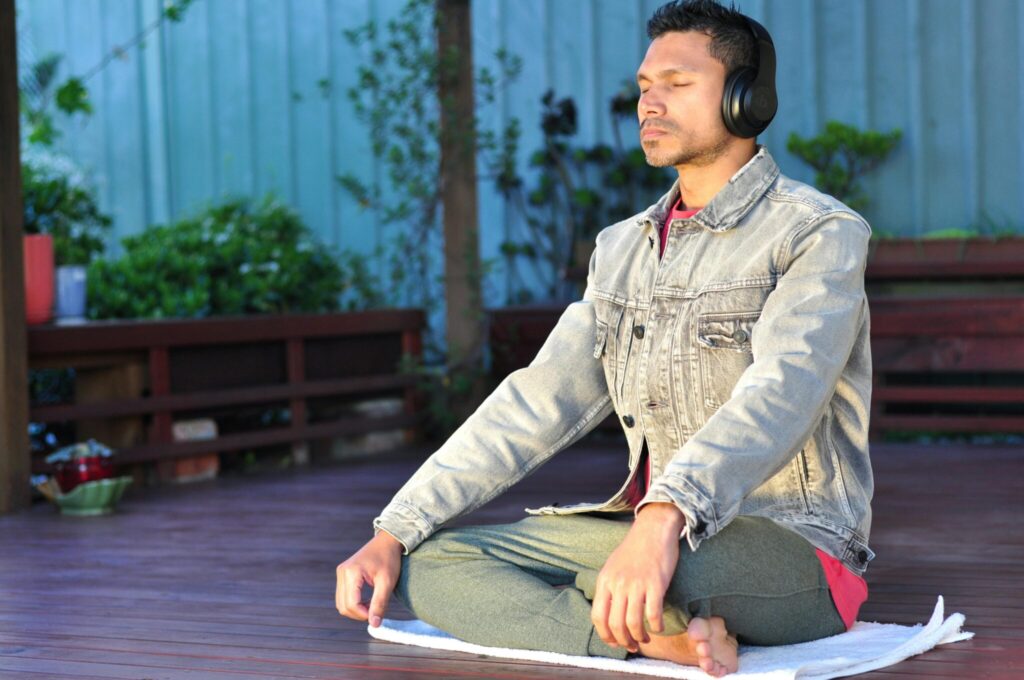
At his lowest point, Trent realized something difficult.
No one could rescue him.
No relationship.
No success.
No outside approval.
There was only one relationship left.
The relationship with himself.
And in that moment he discovered something powerful.
“The only thing I had was the love I was able to give to myself.”
Instead of attacking himself for his mistakes, he began offering compassion.
Instead of reinforcing shame, he spoke to himself with understanding.
That shift became the beginning of healing trauma through self-love.
The Science Behind Self-Love Healing
Psychologist Kristin Neff, one of the leading researchers on self-compassion, defines it simply.
“Self-compassion is giving yourself the same kindness you would give to a good friend.”
Research shows people who practice self-compassion experience:
- better emotional regulation
- lower anxiety and depression
- healthier romantic relationships
Why?
Because self-compassion reduces shame.
And shame is one of the strongest drivers of trauma symptoms.
Studies on trauma recovery show that people who develop self-compassion are more likely to experience post-traumatic growth rather than long-term distress.
In simple terms.
Self-love helps the nervous system move from survival mode to healing mode.
How Self-Love Changes Relationships
Many people worry that self-love will make them selfish.
The opposite is true.
When someone truly respects themselves:
- they stop seeking validation through relationships
- they communicate more honestly
- they tolerate less unhealthy behavior
- they show more empathy toward others
As Trent describes.
“When I gave love to myself, it was like filling a well that started overflowing.”
From that place, love becomes something you give freely instead of something you chase.
A Question Worth Asking Yourself
Think about your last conflict in a relationship.
Were you reacting to what actually happened?
Or reacting to a deeper fear?
Fear of rejection.
Fear of abandonment.
Fear of not being enough.
Many relationship arguments are not about the present moment.
They are echoes of past emotional wounds.
Healing those wounds requires compassion, not criticism.
5 Practical Ways to Start Self-Love Healing
Here are practical steps that help many people begin emotional healing.
1. Notice Your Inner Dialogue
Pay attention to how you speak to yourself.
Is your inner voice supportive or harsh?
Most people would never speak to a friend the way they speak to themselves.
Awareness is the first step toward change.
2. Replace Judgment With Curiosity
Instead of saying:
“Why am I like this?”
Try asking:
“What happened that made me feel this way?”
Curiosity opens the door to healing.
3. Understand Your Attachment Style
Attachment patterns influence how people behave in relationships.
Common styles include:
- anxious attachment
- avoidant attachment
- fearful avoidant attachment
Understanding your attachment style can explain many relationship patterns.
Awareness creates the opportunity for change.
4. Stop Using Relationships for Validation
Healthy relationships happen when two people bring emotional stability. They do not come from emotional neediness.
Focus on building internal self-respect first.
5. Practice Self-Compassion During Difficult Moments
When the inner critic appears, pause.
Respond the way you would respond to a close friend.
With patience.
With honesty.
With compassion.
This simple habit strengthens emotional resilience over time.
Why Community Speeds Up Emotional Healing
Self-love is important, but healing rarely happens alone.
People grow faster when they feel safe enough to be honest.
Many men discover this through supportive communities or mentorship environments.
In these spaces they experience something many never had growing up.
They can make mistakes without being shamed.
They can be challenged without being rejected.
When people feel safe enough to be real, growth becomes easier.
Men who enter Brian Begin’s work often arrive exhausted from years of forcing success.
When they reconnect with themselves, something surprising happens.
Life begins to flow again.
The Real Meaning of Self-Love
Self-love is not about pretending everything is perfect.
It is about facing yourself honestly without rejecting who you are.
It means:
- accepting responsibility for your choices
- treating yourself with compassion
- believing you are capable of growth
When people develop that relationship with themselves, everything changes.
They stop chasing validation.
They start building self-respect.
From that place, healthy relationships become possible.
Frequently Asked Questions About Self-Love Healing
Can self-love really heal trauma?
Self-love alone does not erase trauma. Self-compassion helps people process trauma safely and reduce shame. That process is essential for emotional healing.
Why is self-compassion important for relationships?
People who treat themselves kindly are less defensive, more empathetic, and better able to communicate during conflict.
How long does emotional healing take?
Healing timelines vary. Many people experience meaningful improvement once they consistently practice self-compassion and address underlying trauma patterns.
Your Next Step
Reading about self-love is easy.
Practicing it is harder.
Start with one simple step today.
The next time your inner critic shows up. The voice telling you you are not enough. Pause.
Instead of attacking yourself, respond with compassion.
That small shift can begin real emotional healing.
If this article helped you:
- Watch the full video conversation.
- Share your biggest takeaway in the comments.
- Subscribe to Brian Begin’s website and YouTube channel for deeper conversations on emotional healing and relationships.
https://www.youtube.com/@brianbegin
https://brianbegin.com/
Because the relationship that shapes every other relationship in your life.
Is the one you build with yourself.